Stronger together: why mental health is at the heart of everything we do
From 4 to 8 May 2026, European Mental Health Week, organised by Mental Health Europe, brings together individuals, communities, and policymakers across the continent to raise awareness, reduce stigma, and take action. The seventh edition of this pan-European campaign carries a message that is both timely and urgent: 'Stronger Together: Prioritise Mental Health in a Changing Europe'.
At RED NOSES International, this theme speaks directly to who we are and what we believe. We have always known that no one heals in isolation, and for over 30 years, we have shown what it looks like to show up, together, for the people who need it most.
Why mental health cannot wait
Mental health is not a small or specialist issue. It touches every life, every family, every community across Europe and beyond.
More than 140 million people in the WHO European Region are currently living with a mental health condition. Over one billion people worldwide are affected. And yet, only one in three people with depression receives the care they need. But the numbers, stark as they are, only tell part of the story.
 Enlarge photo
 Enlarge photo
 Enlarge photo
Behind every statistic is a child lying awake in a hospital bed, scared and far from home. An older person in a care facility who hasn't laughed in weeks. A young person navigating emotional distress with little support. A family in a crisis zone trying to hold itself together after everything familiar has been taken away.
Mental health is not an abstraction. It is part of daily human experience. And when it suffers, everything else does too.
This is precisely why European Mental Health Week 2026 is calling for a reframing: away from individual crisis, and toward collective connection, resilience, and hope.
What we believe: joy is not a luxury
RED NOSES International has been a firm believer in the positive impact of art and humour on mental health since our founding in Vienna in 1994. Our mission has remained constant through more than three decades of growth: to bring humour and laughter to people in need of joy, through the art of professional healthcare clowning.
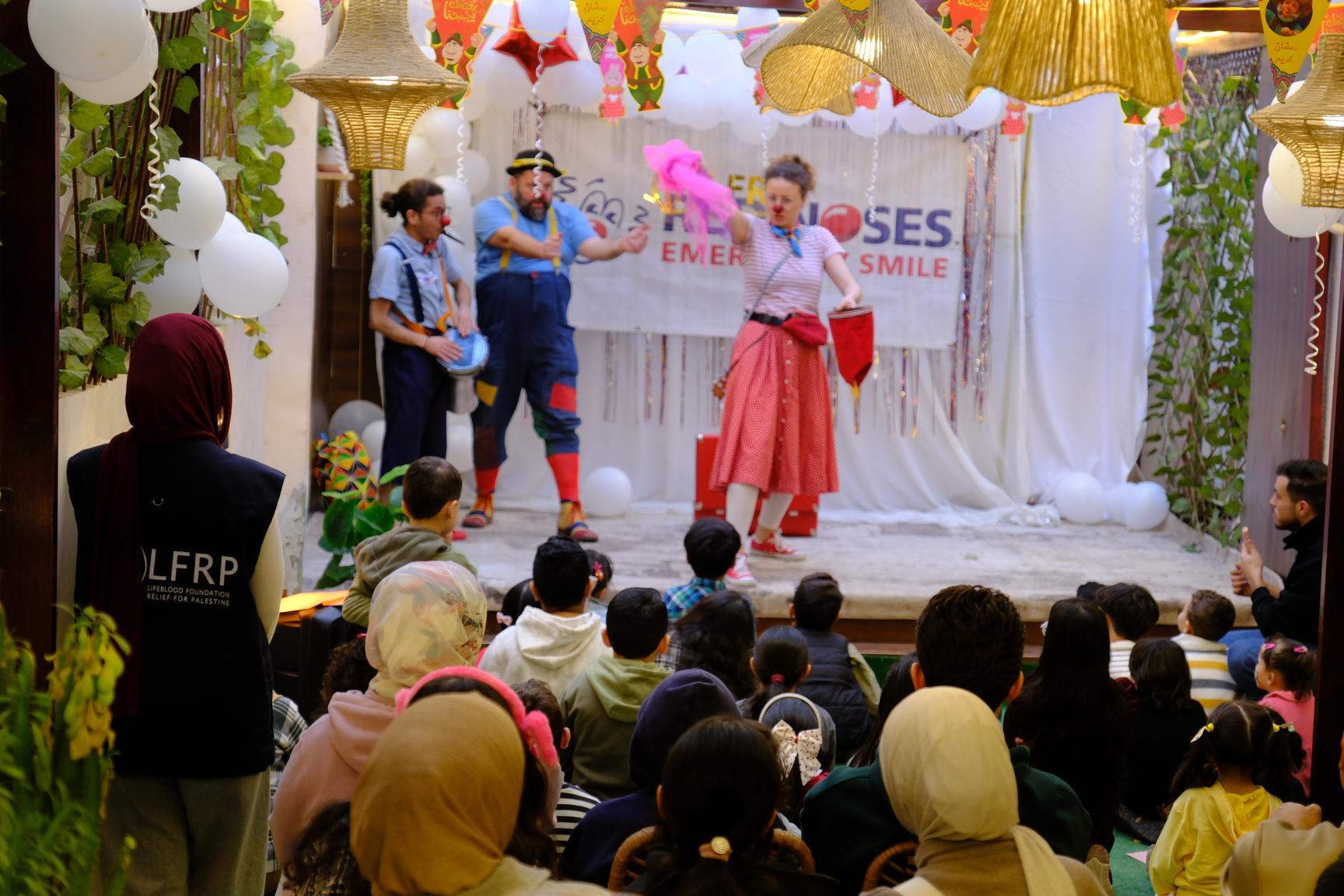
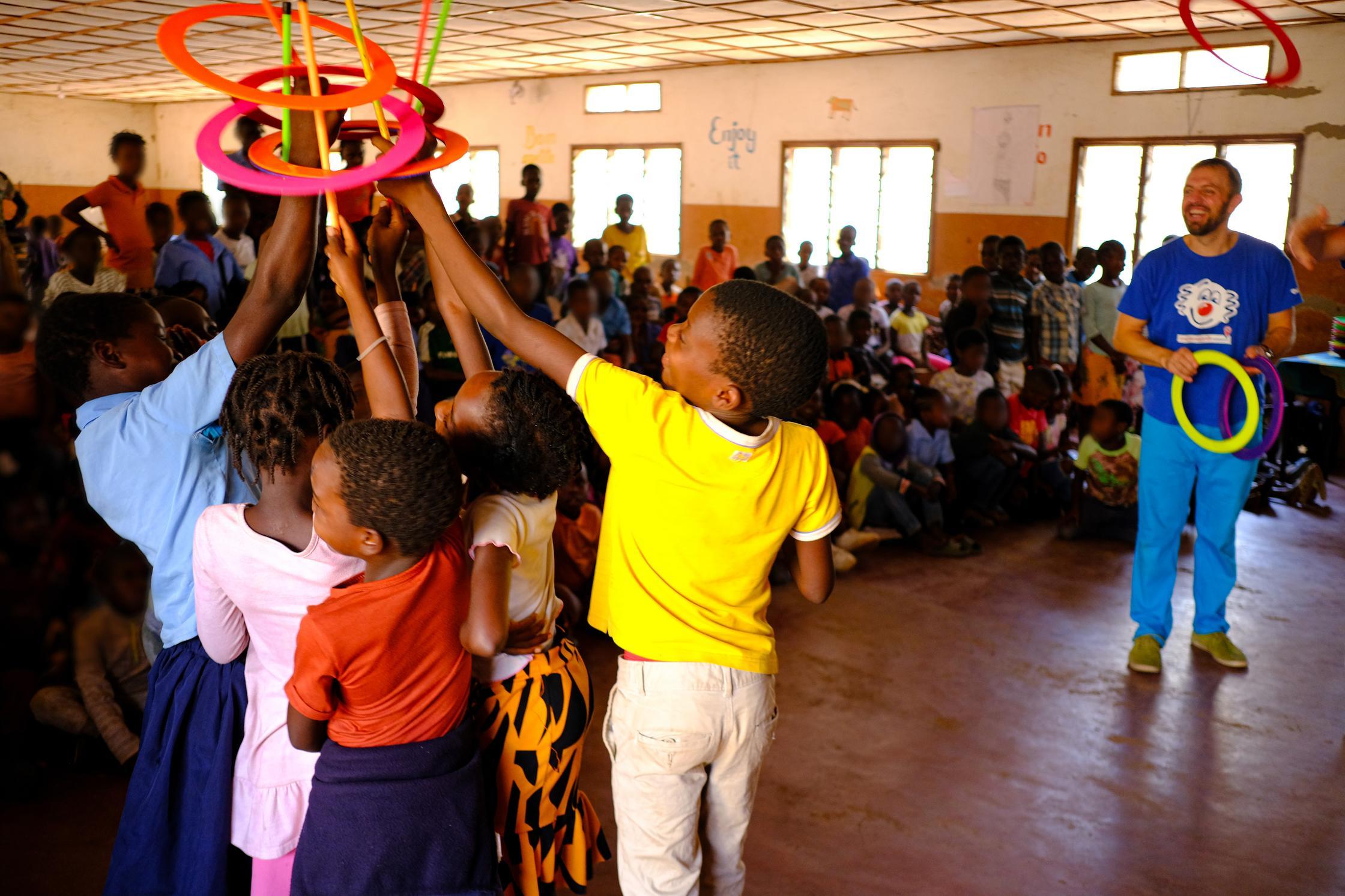
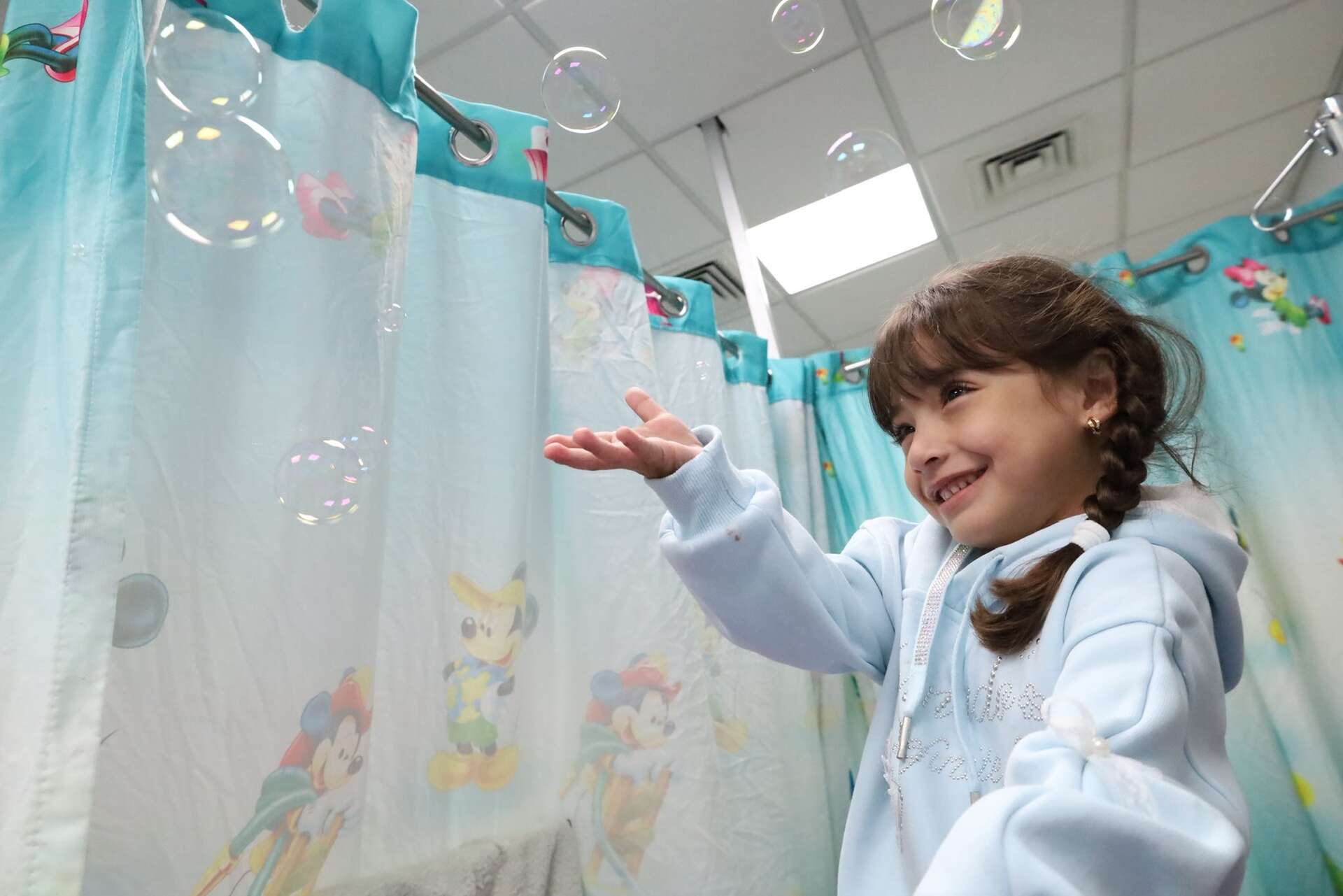
This might sound simple. It is anything but. When our professionally trained artists enter a hospital ward, a geriatric facility, or a crisis zone, they are not simply making people smile - though that matters too. They are creating something clinically meaningful: a moment of genuine human connection that interrupts fear, softens pain, and reminds a person that they are seen.
Our research, drawn from a growing body of evidence-based studies, confirms what our artists experience every day. Children who interact with healthcare clowns before surgery report measurably lower fear and anxiety. In some studies, clown visits proved more effective at reducing pre-surgery anxiety than standard sedative medication. For older adults in care homes, humour-based interventions reduce loneliness and support cognitive function, including for people living with dementia. In humanitarian settings, laughter helps children affected by crisis to process trauma, rebuild a sense of normalcy, and reconnect with the world.
As we wrote this week on World Laughter Day: laughter is not an optional extra, it is a human need.
 Enlarge photo
 Enlarge photo
 Enlarge photo
Looking forward: ClowNexus and youth mental health
Launched in March 2026, our new EU-funded project ClowNexus - Creative Encounters for Mental Health directly addresses the growing youth mental health crisis. The number of hospitalised children treated for psychological conditions is rising across Europe, and while evidence of the benefits of healthcare clowning is growing, specialised methods for young psychiatric patients are still limited.
Over three years and across a consortium of ten European partners, ClowNexus will develop new healthcare clowning methods for young people in psychiatric hospital care, create training tools for healthcare professionals, and measure impact. It is a commitment to not only doing good work, but to proving it, scaling it, and advocating for it at every level.
Because the arts are not a supplement to mental health care. They may be the missing link.
Join us this week, and beyond
European Mental Health Week is a moment to pause, reflect, and act. It is an invitation to all of us, individuals, organisations, communities, and policymakers to choose solidarity over silence, and to place mental health where it belongs: at the heart of a healthy Europe.
Here is how you can be part of it:
- Explore our four programmes and the impact of healthcare clowning in hospitals, care homes, and crisis zones.
- Discover the evidence behind the joy effect in our research database.
- Subscribe to our newsletter to stay connected with our work and stories from the field.
- And support our mission. Every donation helps us reach more people in need of joy. Find out how here.
Because we are, and have always been, stronger together.
 Enlarge photo