Emergency Smile Research Project

The project comprises two interconnected studies investigating the emotional and psychosocial impact of healthcare clowning on two populations at the heart of the humanitarian context in Lesvos: field workers supporting displaced communities (Study 1: H.A.H.A.) and unaccompanied migrant minors in their care (Study 2: S.M.I.L.E.).

Together, they will generate robust evidence on the role of arts-based interventions in humanitarian response, filling a significant gap in the existing literature and contributing to policy recommendations for organisations working with displaced communities. 

The project is developed in partnership with the Jameel Arts & Health Lab, the WHO Regional Office for Europe, and the National and Kapodistrian University of Athens.
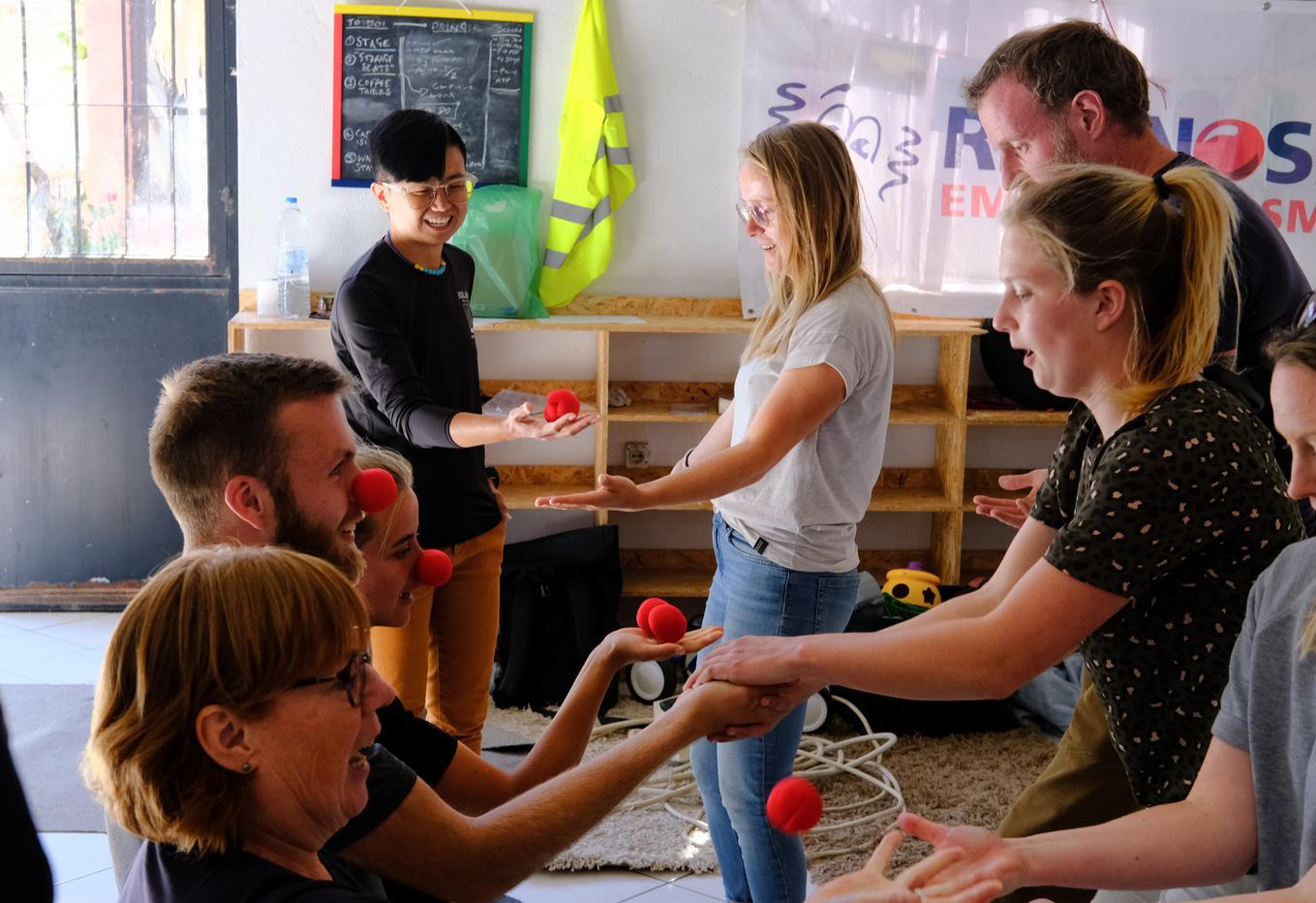
© RED NOSES International - Craig Russell

Study 1 (H.A.H.A. — Humour and Arts for Humanitarian Actors)

Study 1 focuses on humanitarian field workers and evaluates the immediate and short-term effects of RED NOSES' 2-hour Humour Relief Workshop on participants' socio-emotional wellbeing. 

Using a quasi-experimental design with an intervention and a control group, the study collects data at four time points — screening, pre-test, immediate post-test, and a 3–4 week follow-up. It combines standardised questionnaires across three domains (intrapersonal coping strategies, interpersonal functioning, and mental health), semi-structured interviews, wearable physiological sensors measuring heart rate variability and electrodermal activity, and focus groups with NGO coordinators. An estimated 150 field workers from local partner organisations including Iliaktida and Parèa are expected to participate. 
To the Protocol 

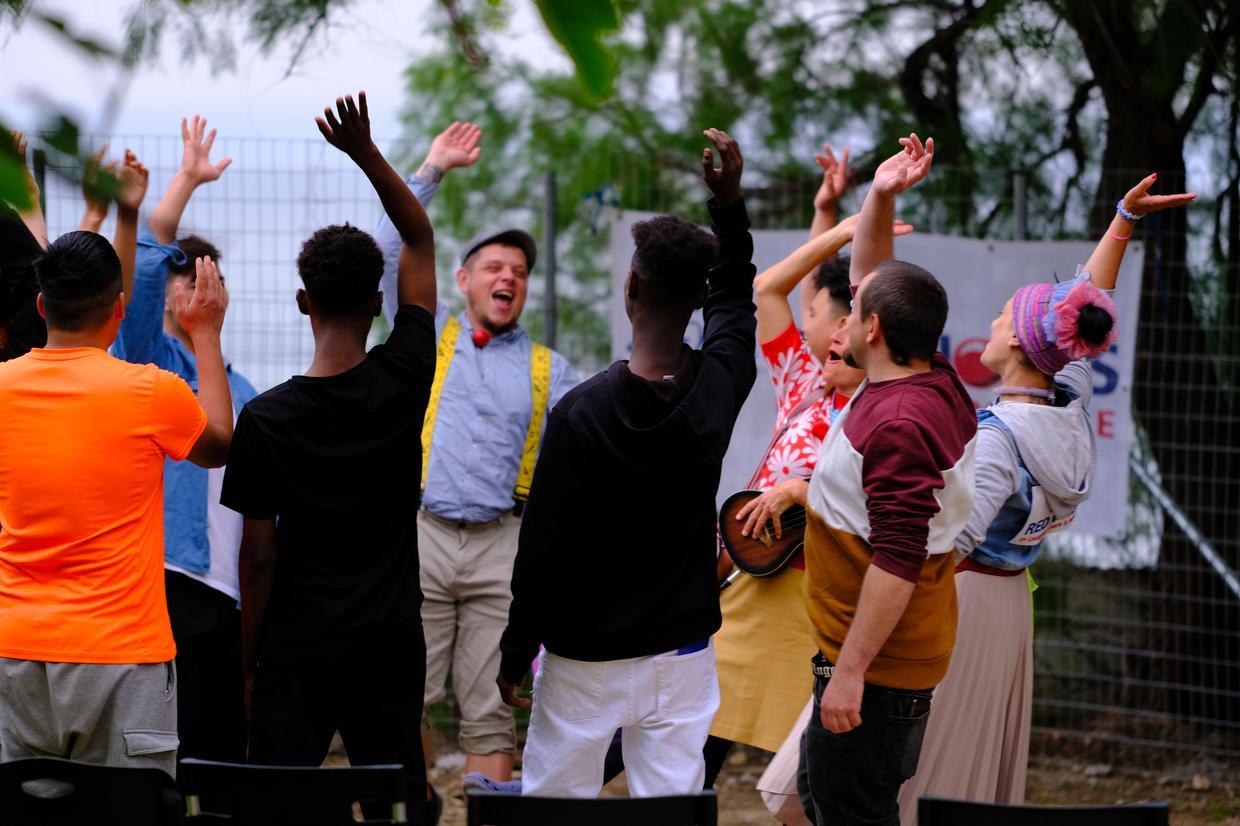
© RED NOSES International - Craig Russell

Study 2 (S.M.I.L.E. — Socio-emotional Measurement of Interventions for Life in Emergencies) 

This study focuses on unaccompanied migrant minors aged 14–18 residing in Iliaktida-operated shelters in Lesvos. It evaluates the impact of RED NOSES' 3-week Emergency Smile clown mission on participants' socio-emotional wellbeing, sense of belonging, emotion regulation, and anxiety. The study employs a pre-post mixed-methods design combining drawing-based qualitative methods (the Bridge Drawing Test), standardised questionnaires, and physiological measures. Reflecting a commitment to participatory research principles, the design also includes a co-participation session in which a group of UAMs collaboratively interpret and reflect on anonymous drawings produced by peers. 

Webinars and presentations

The research project has been presented at a range of international forums, bringing together researchers, practitioners & policymakers working across arts and health, nursing, humanitarian response, and healthcare clowning. Below is a selection of recent and upcoming webinars and conference presentations.
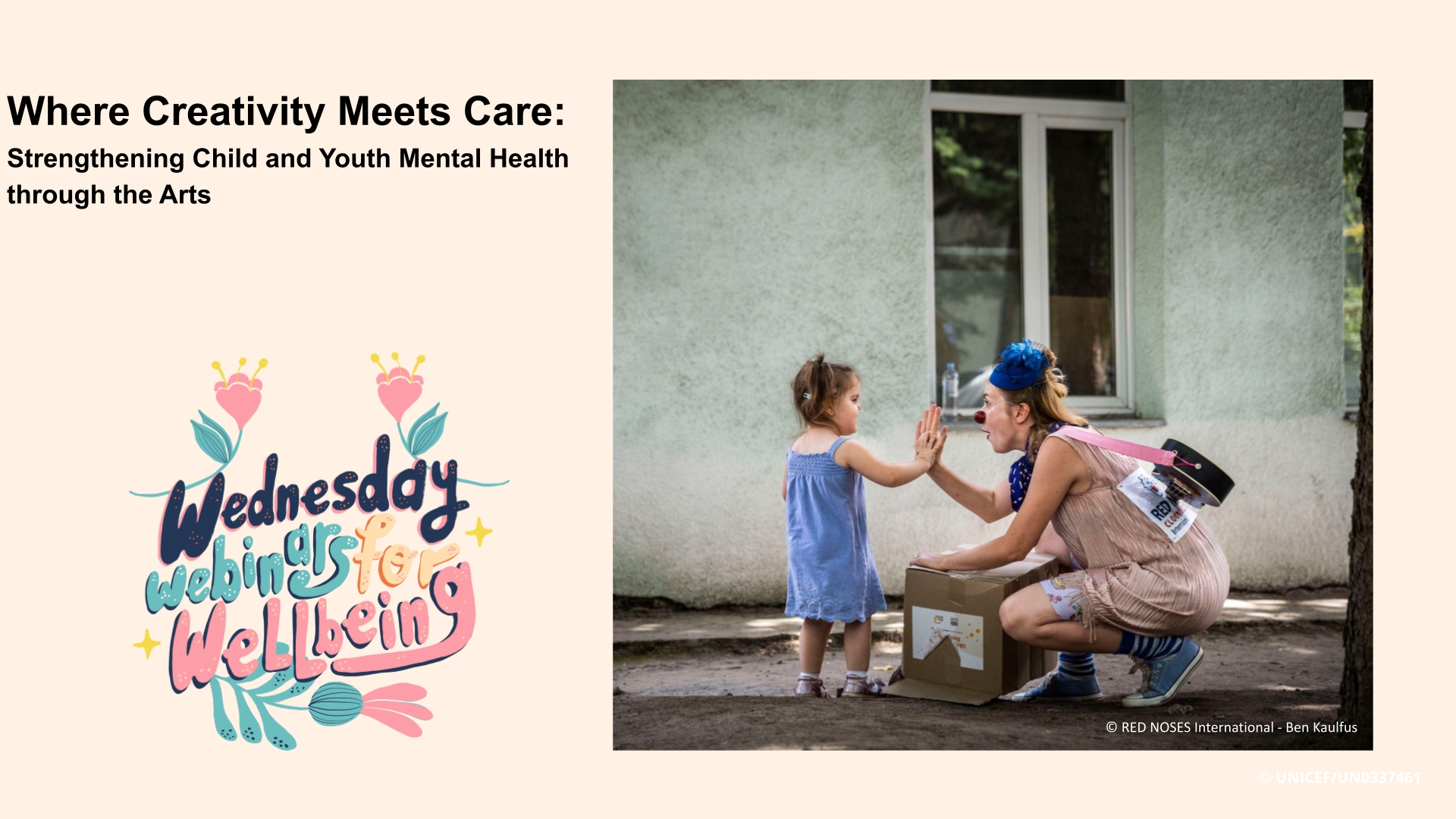
RED NOSES presented the Emergency Smile Research Project at the international webinar "Where Creativity Meets Care: Strengthening Child and Youth Mental Health through the Arts", hosted by the MHPSS Collaborative as part of its Wednesday Webinars for Wellbeing series (Season 2, Episode 3). 

The MHPSS Collaborative is a global network coordinated by Save the Children and UNICEF, connecting practitioners and researchers working on mental health and psychosocial support across humanitarian and development contexts.

More info and webinar link here

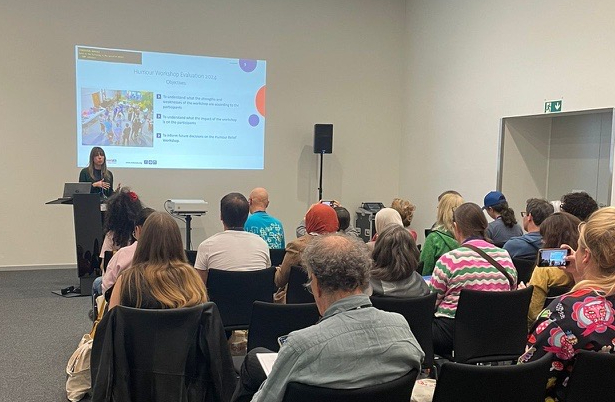
In January 2026, RED NOSES Research and Learning Manager Silvia De Faveri presented the Emergency Smile Research Project at "The Art of Nursing: Arts in Action", a webinar organised by the Royal College of Nursing Library and Museum (UK) as part of their Art of Nursing series. The session brought together practitioners and researchers exploring how arts-based approaches — from storytelling to clowning — can support healing, connection, and resilience in healthcare and humanitarian settings. RED NOSES contributed insights on how humour and healthcare clowning operate as a form of compassionate care in crisis contexts.
Watch the webinar here


In March 2026, Silvia De Faveri presented the Emergency Smile Research Project at the Healthcare Clowning International Meeting (HCIM 2026), as part of the session "From Relief to Connection: How Humour Rebuilds Trust in Crisis Settings"

Together with Chiara Manavella (Head of Humanitarian Response Programme, RED NOSES International) and Marija Žemaitytė (RED NOSES Lithuania), the presentation explored how humour and interactive exercises can support self-awareness, team cohesion, and empathetic presence among professionals working in crisis and humanitarian contexts.

News and media archive

News of the project has been shared on our website and across the platforms of our partners, funders, and the wider arts and health community. Below is a selection of articles, press releases, and online features since the project's launch.


Research team

The project is led and conducted by an interdisciplinary team of researchers and advisors from universities and institutions across Europe, North America, and international organisations, united by a shared commitment to advancing the evidence base for arts-based interventions in humanitarian settings.
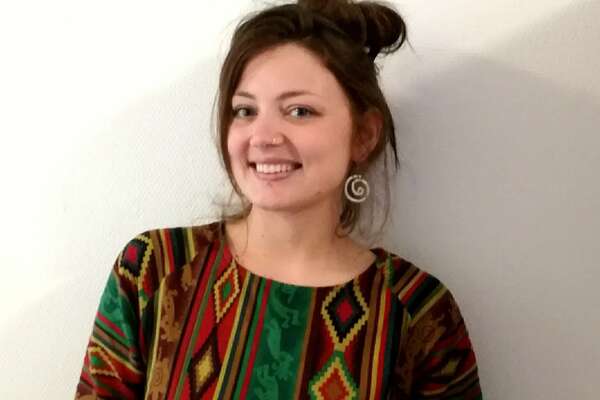
Eliala Alice Salvadori, PhD

Lead Investigator

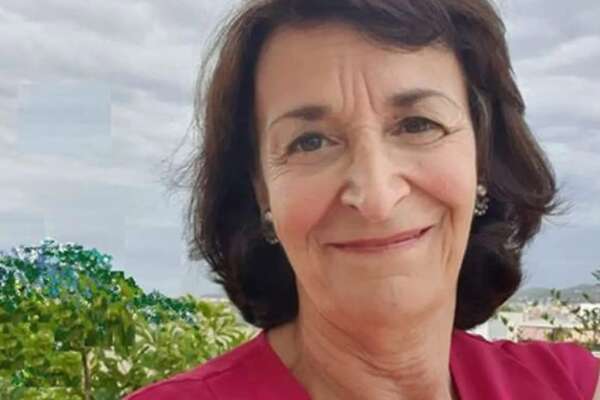
Danai Papadatou, PhD

Research Advisor 
Danai Papadatou is an Emeritus Professor of Clinical Psychology at the School of Health Sciences, Dept. of Nursing, of the National and Kapodistrian University of Athens. Her clinical, research experience and publications focus mostly on issues related to pediatric palliative care, childhood and family bereavement, community trauma. Over the past 10 years she has also been actively involved in the training of field workers who support unaccompanied refugee minors, and conducted extended research throughout the country on issues related to their mental health. She is the founder and chair of the Board of Directors of "Merimna", a civil non-profit organization, which provides specialized pediatric palliative care home care services. Danai has received several international awards for her teaching, research, publications and community service in pediatric palliative care, death education, and childhood bereavement support. She is a member of IWG since 1990, has served as its chair, and was honored in 2022 with the “Herman Feifel Award in recognition of her outstanding achievement in thanatology”.

Fabio Presaghi, PhD

Co-investigator 
Fabio Presaghi is an Associate Professor in the Department of Developmental and Social Psychology at Sapienza University of Rome. Since 2022, he has served as the Editor-in-Chief of the international journal Psychology Hub. Specializing in Psychometrics and Quantitative Psychology, Presaghi’s research focuses on complex statistical methodologies, including Structural Equation Modeling (SEM) and multilevel modeling. His extensive scholarly work covers diverse areas such as social categorization, personality, and environmental psychology. He has also contributed significantly to clinical psychology, specifically exploring health-related variables, hikikomori, and the psychological impact of digital technology. Beyond his research, he is a dedicated educator, teaching multivariate analysis and statistics to both psychology and medical students while participating in numerous institutional academic committees.

Hend Eltanamly, PhD

Co-investigator 
Hend Eltanamly is an Assistant Professor of Developmental Psychology at Utrecht University in the Netherlands. Her research examines how parenting and child development are shaped by stressors across phases of forced displacement, including war exposure, transit, and resettlement. She publishes in leading developmental journals and uses meta-analytic, qualitative, experience sampling, and experimental methods. Her current work, conducted with (inter)national collaborators, focuses on identity formation in displaced youth, narrative identity and well-being in refugees, and trauma in refugee families. She studies families from Syria, Ukraine, and beyond, and earned her PhD from the University of Amsterdam in this field.

Sara Albuquerque, PhD

Co-investigator 
Sara Albuquerque holds a PhD in Clinical Psychology from the Inter-University Doctoral Program in Clinical Psychology – Specialization in Family Psychology and Family Intervention (Universities of Coimbra and Lisbon), awarded with the European Doctorate title. She is an Assistant Professor at Lusófona University in Lisbon, where she teaches in the areas of psychopathology, cognitive-behavioral intervention, and scientific research methods. Her research focuses on grief, trauma, mental health, and family relationships, with several publications in international peer-reviewed journals. She is involved in multiple nationally and internationally funded research projects on perinatal mental health, youth stigma, higher education dropout, and virtual reality-based psychological interventions. She is a member of HEI-LAB, supervises master's theses, serves on academic committees, and is a reviewer for several scientific journals.

Daniel Messinger, PhD

Co-investigator 
Dr. Daniel Messinger studies positive affect. He is a professor and Director of the Child Division in the Department of Psychology at the University of Miami where he has secondary appointments in Pediatrics, and Electrical and Computer Engineering. He is the Director of the Social Systems Informatics Program at the Institute for Data Science and Computing and Research Director of the Linda Ray Intervention Center. He is an Editor and Chief of Developmental Science and serves on the editorial board of Infancy. Dr. Messinger employs computational approaches to big behavioral data to understand social, language and emotional development. His research focuses on social and communicative development in typically developing children, children with hearing loss, children with autism spectrum disorder (ASD), and children whose communicative development is affected by prenatal drug exposure and poverty. Dr. Messinger is the author of over 125 scientific publications appearing in high profile journals.

Nisha Sajnani, PhD

Advisor
Dr. Nisha Sajnani is Professor of Drama Therapy at New York University and founding co-director of the Jameel Arts & Health Lab, established in collaboration with the World Health Organization. Bridging research, practice, and policy on the health value of the arts across the life course, she leads an international research network, co-leads a landmark Lancet collection on arts and health, and advances WHO policy, including a recent brief on the role of the arts in addressing the health impacts of climate change. She is also on faculty with the Harvard Program in Refugee Trauma, where she develops and delivers training on the role of the arts in humanitarian care.

Nils Fietje, PhD

Advisor
Nils Fietje (he/him) is a Technical Officer within the Behavioural and Cultural Insights (BCI) Unit at the WHO Regional Office for Europe. He has a background in English literature and the cultural history of medicine. As part of the BCI Unit, he is leading efforts to understand how cultural contexts affect and interact with health and wellbeing across the lifespan and throughout the continuum of care. Nils’ work includes a particular focus on the nexus of arts and health, having coordinated the first-ever WHO report on the evidence base for arts and health interventions.

Silvia de Faveri, PhD

Project coordinator 
Silvia De Faveri is Research and Learning Manager at RED NOSES International, where she leads research, monitoring, and evaluation across the organisation's programmes. She holds a PhD in Anthropology from Brunel University, London, and brings extensive field experience from humanitarian and child rights contexts across Europe, Africa, and the Caribbean, including roles with UNICEF, the EU Agency for Fundamental Rights, and many NGOs. Drawing on both academic and field expertise, Silvia merges research with creative interventions to strengthen the evidence base and advocate for the inclusion of artistic activities that enhance mental health, wellbeing, and human connection in care and humanitarian settings.

abaton-monitoring