
Clowning in psychiatric care: a challenge artists embrace
A holistic approach is essential for the wellbeing of young people in Europe, who are increasingly facing mental health challenges. This means bringing together health professionals such as psychiatrists, nurses and psychologists with artists whose innovative approach can connect with children and teens, offering them a sense of joy and connection. These were some of the key messages shared during the kickoff meeting that marked the beginning of activities within the ClowNexus project, which will be implemented over the next three years under the leadership of RED NOSES International.
 Enlarge photo
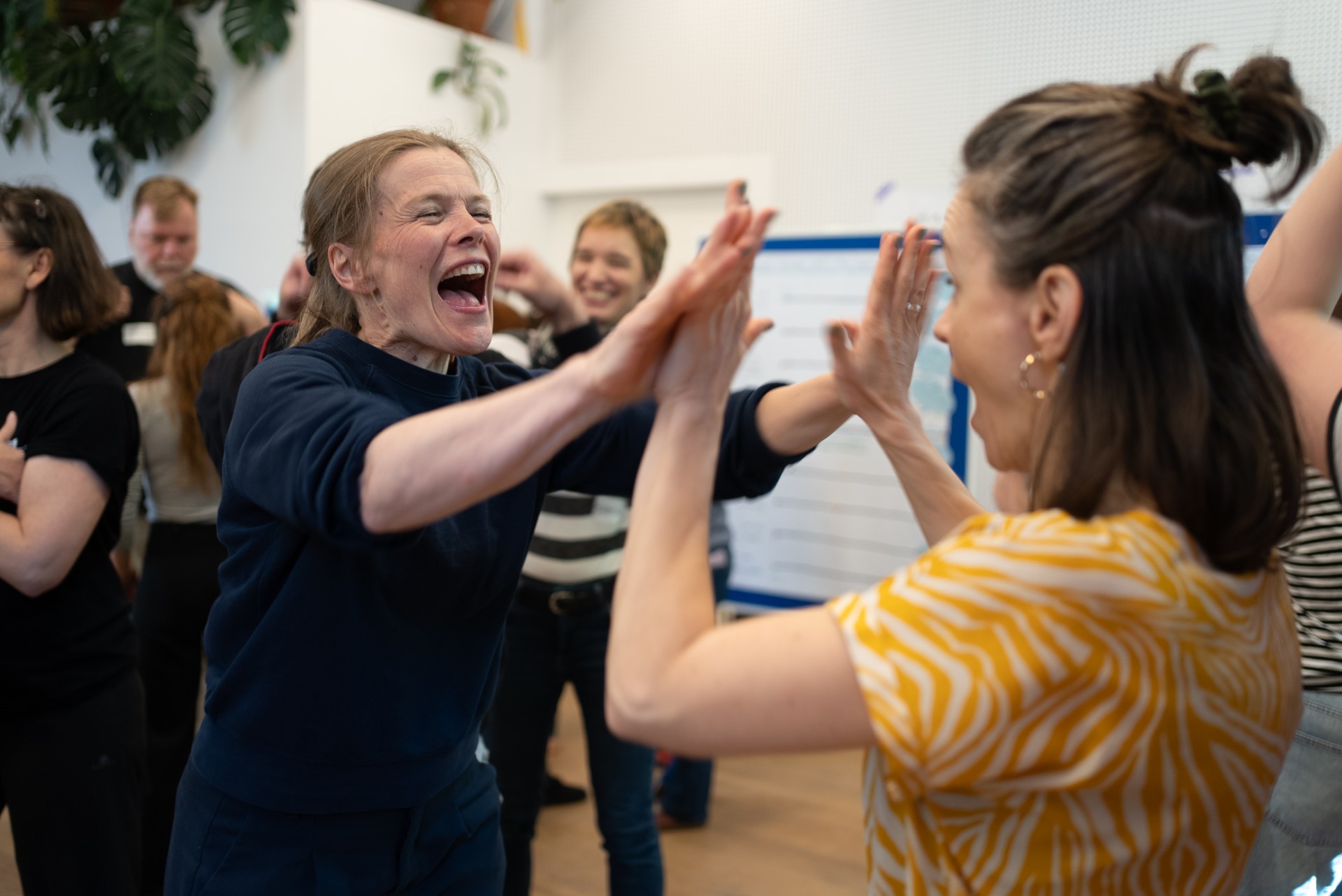
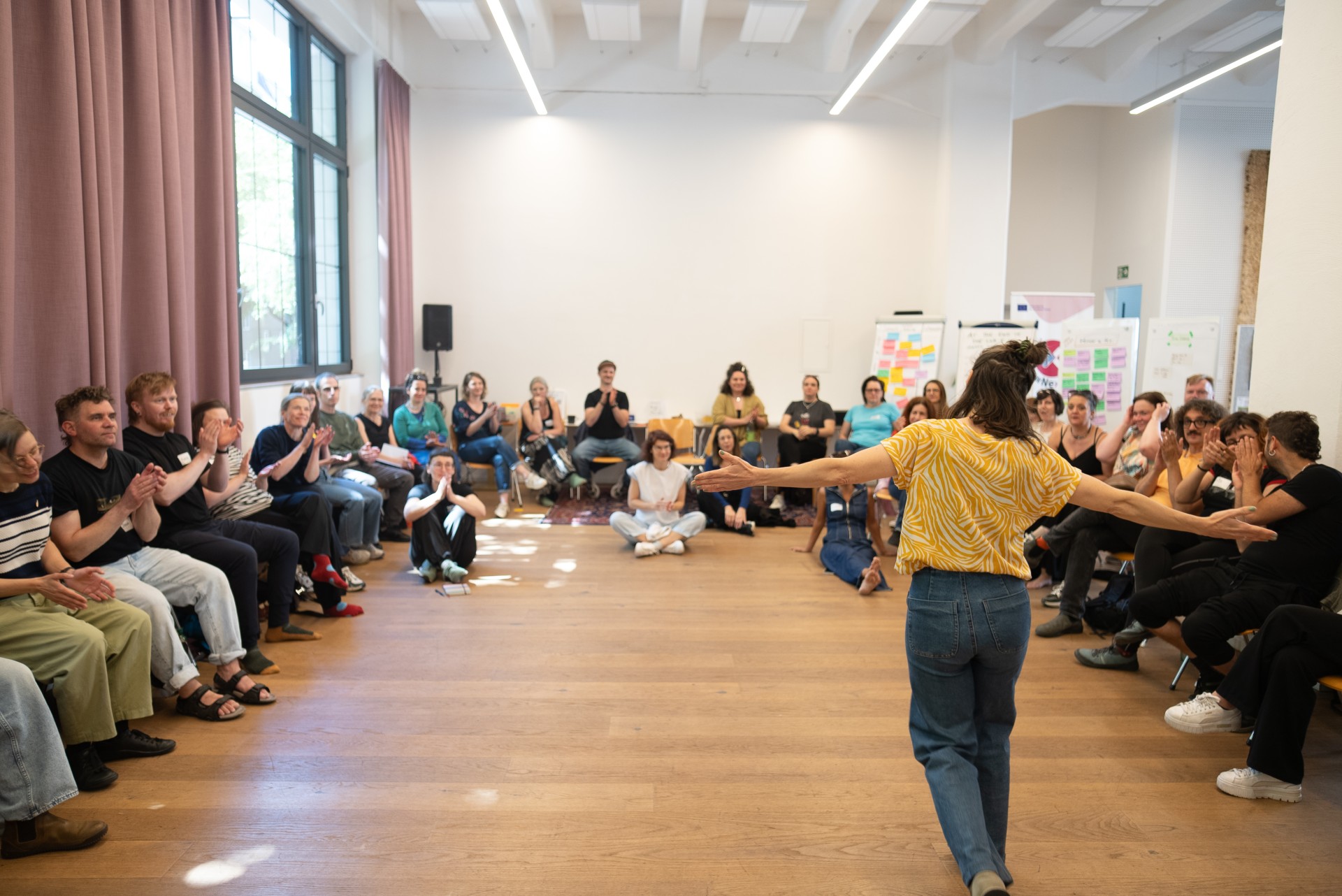
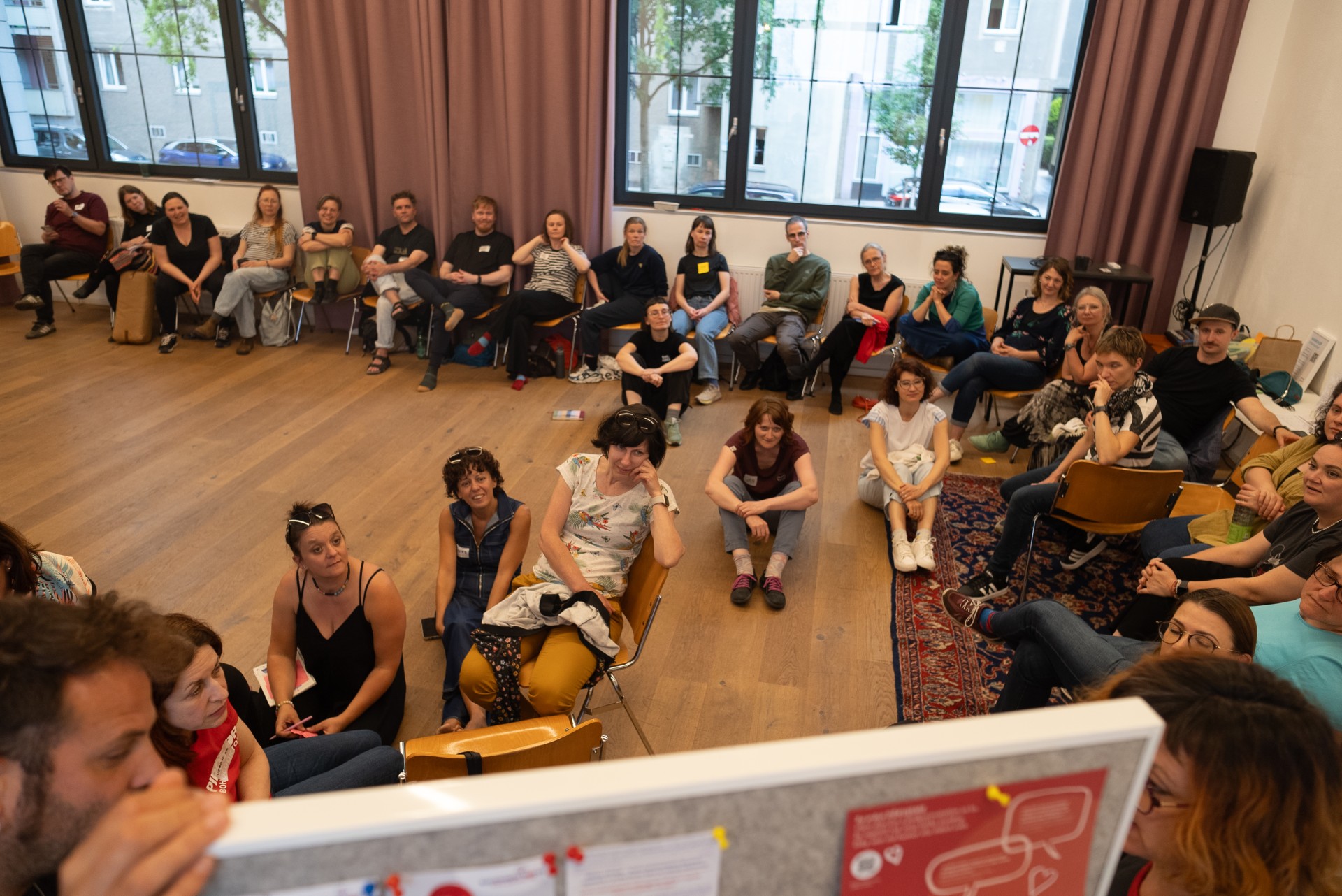
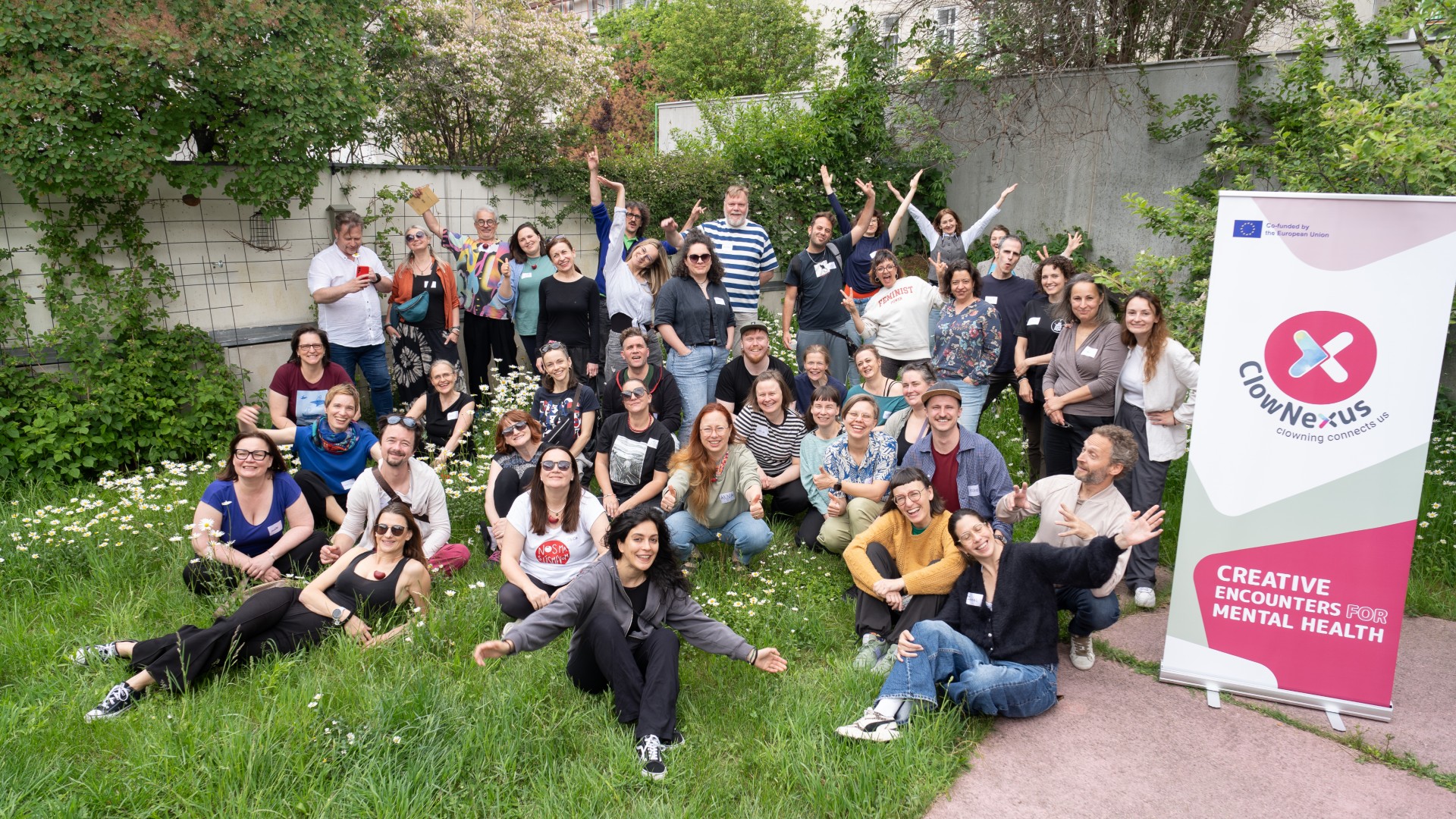
The ClowNexus story began with a kickoff meeting held in Vienna from May 19 to 22, bringing together clown artists, mental health professionals and researchers from across Europe.
The artists taking part in the meeting, some with extensive experience working in psychiatric hospitals and others only beginning to explore this highly challenging field, came together to learn more about the initiative through which they will exchange knowledge and develop the most effective clowning methods, all with one shared goal—putting smiles on the faces of young people.
‘This time ClowNexus is bringing us to young people in psychiatric care. These are people who are fighting maybe the biggest challenges of their lives and we would like to be together with them. Our mission is to connect, to find best methods, to be aware and raise awareness of their needs for art, health and connection,’ said Viltaute Žemelytė, Head of International Programmes Department at RED NOSES International.
Many questions, even more willingness to find answers
For Jordi Solé, a clown artist from the Spanish RED NOSES organisation Pallapupas, the beginning of the ClowNexus journey brings a mix of excitement and responsibility. In the past, the organisation he works with had a programme in youth psychiatry based on theatre workshops using Theatre of the Oppressed techniques, giving him a broad perspective and a solid ethical, political and practical foundation on the topic. However, there is still a lack of hands-on experience and a clearly defined artistic approach, which is why he welcomes the opportunity to learn and remain open throughout the process.
‘The youth psychiatric context is especially fragile and demanding. Bringing together the knowledge of our organisation, along with all the new inputs and expertise from European organisations, can create a completely new approach for us that I am very much looking forward to exploring in depth,’ said Jordi.
 Enlarge photo
Clown artists from the Hungarian RED NOSES organisation, PIROS ORR Bohócdoktorok, work with children and youth in psychiatry wards as part of their regular bedside visits. As Tünde Gelencsér, an artistic director and clown artist from this organisation, explains, the format is still challenging, which is why they have started testing different methods.
‘In this field, there are many practical questions, and it is a great opportunity to work together. In Hungary, changes are currently taking place in the structure of children and youth psychiatry hospitals, and this is a good opportunity to take an active role in the process,’ explained Tünde.
The RED NOSES organisation from Slovakia, ČERVENÝ NOS Clowndoctors, was founded 18 years ago and, from the very beginning, its artists have also visited child psychiatry departments. One of them, Ľubica Šulíková, has been working with young people facing mental health challenges for the past 14 years, but over time she felt there was a need to change the approach. That is why, four years ago, the organisation reached out to the clown artist Jitka Rosenová from RED NOSES Czech Republic, who had conducted her own research into clowning in child psychiatry settings and led workshops on how to approach these patients. Following this, Ľubica was given the opportunity to organise labs and workshops for other clown artists within her organisation on how to find their ‘teen clown’ within.
 Enlarge photo
Jitka Rosenová, one of the most experienced artists in the ClowNexus community when it comes to working with young people in psychiatric institutions, says in RED NOSES Czech Republic, ZDRAVOTNÍ KLAUN, they have long been searching for a more effective clowning approach for young people facing mental health difficulties.
‘For us, it all started with the realization—as clowns—that this kind of work is probably the most challenging for us, and that the principles which work well in pediatric wards simply do not work here. We have been trying different approaches for many years, searching for a way to become better not only for the patients, but also for ourselves as clowns,’ explained Jitka.
This is why she sees her organisation’s involvement in a cross-border project as another very logical step. For her, it is extremely valuable to connect with other countries and look at their work from a European perspective.
‘I see ClowNexus as a wonderful opportunity to enrich ourselves, to test our hypotheses, and to continue developing them further.’
Joy that inspires change
Meeting other clown artists at the ClowNexus kickoff meeting in Vienna, and hearing about their dilemmas and hopes, strengthened many participants’ motivation to work in the field of mental health. Laia Pineda from Pallapupas says it was especially valuable to have the opportunity to share different viewpoints, as well as the unique social, psychological and economic realities of each country, all of which shape a person’s mental health.
‘Discovering other ways of intervening and co-creating new ones together is highly motivating for me,’ said Laia.
 Enlarge photo
For Jordi, it is much the same. Having the opportunity to connect with other artists is essential, as it allows him to discover new ways of doing the same work, explore different cultural approaches, and meet others who share the same passion.
‘We have clown artists with more than 20 years of experience and offering them opportunities for exchange is a refreshing way to reconnect with their work.’
The ClowNexus journey is only just beginning, but the ambition and enthusiasm behind it are already strong. As Jitka says, the meeting in Vienna marked the first step on a long journey that can bring growth and enrichment in many directions—both professionally for clown artists and personally for psychiatric patients.
‘And finally, I believe that through this project we may also contribute to the reform of psychiatric care itself. Happy clowns—happy patients—happy staff—a better psychiatric care system,’ concluded Jitka.
Follow the ClowNexus journey: https://clownexus.eu/
The consortium is composed of nine healthcare clowning organisations and one research organisation: RED NOSES International, Cultural Welfare Center (IT), CZERWONE NOSKI - Klown w Szpitalu (PL), ČERVENÝ NOS Clowndoctors (SK), CRVENI NOSOVI Klaunovidoktori (HR), PIROS ORR Bohócdoktorok (HU), Pallapupas (ES), RAUDONOS NOSYS Gydytojai Klounai (LT), Sairaalaklovnit ry (FI), ZDRAVOTNÍ KLAUN (CZ)

Co-funded by the European Union. Views and opinions expressed are however those of the author(s) only and do not necessarily reflect those of the European Union or the European Education and Culture Executive Agency (EACEA). Neither the European Union nor the granting authority can be held responsible for them.